

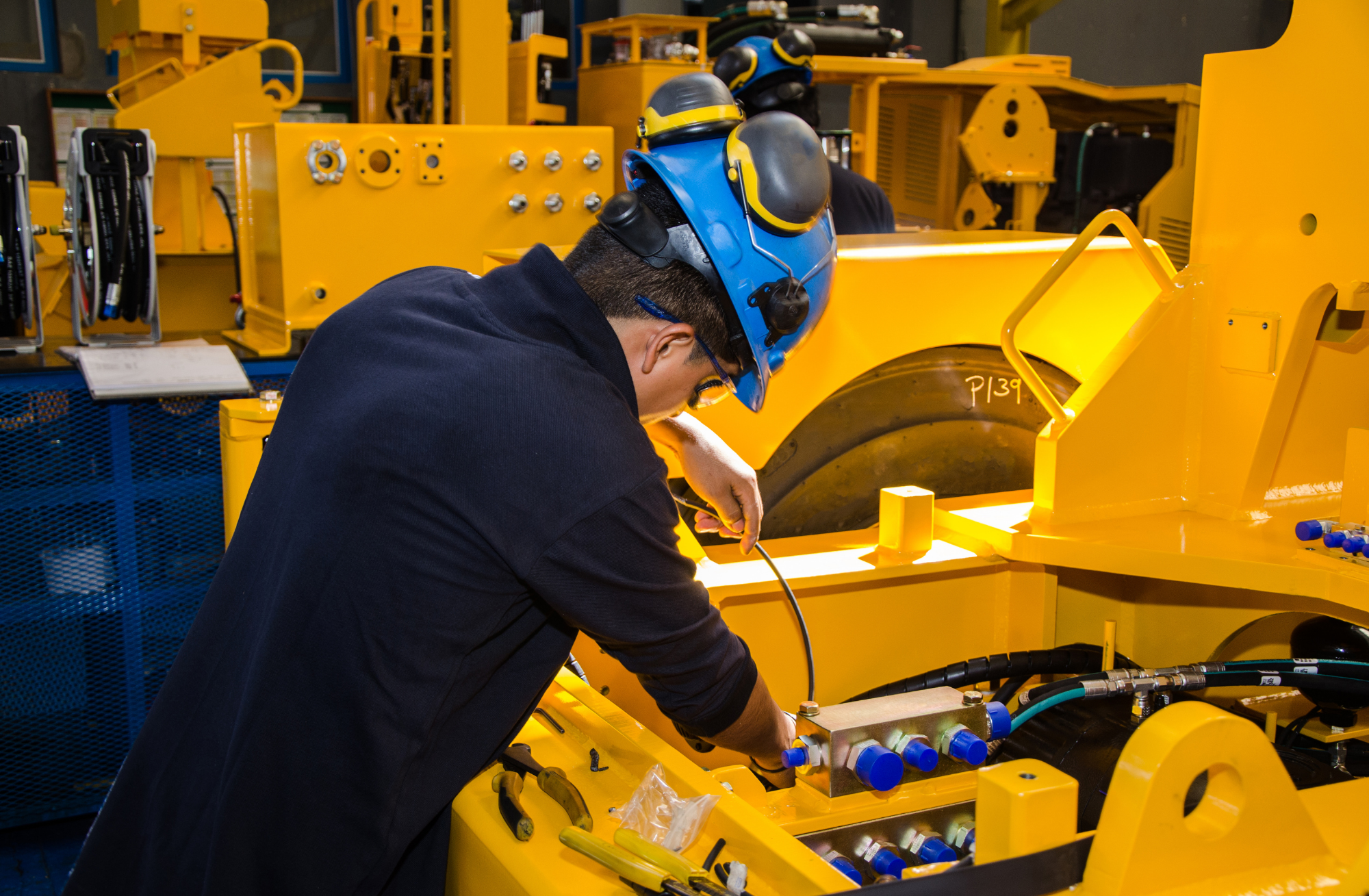
Australia’s mining and resources sector remains one of the nation’s most important industries, yet many operators continue to face significant workforce challenges. As Australia’s resources sector expands to meet global demand for critical minerals, remote operations face severe operational constraints. Research from the Mining and Automotive Skills Alliance (AUSMASA) underscores the extent of this deficit, resulting in mining having the second-most acute skills shortages of all industries in Australia, placing immense pressure on production schedules and equipment uptime.
The ongoing Mining workforce shortage in Australia is creating operational pressure across the sector, leading to machinery downtime, production delays, rising labour costs, and increased competition for experienced workers. For many organisations, traditional recruitment approaches are no longer delivering the workforce stability required to maintain productivity targets.
As a result, more mining businesses are turning to structured international recruitment programs and employer-sponsored pathways to secure qualified talent and support long-term operational continuity.
Managing the Mining Workforce Shortage in Australia
For mining operators seeking immediate workforce solutions, international recruitment can provide access to skilled workers in occupations facing severe domestic shortages.
Many employers are addressing the Mining workforce shortage in Australia through:
- Recruiting qualified overseas tradespeople and technicians.
- Accessing specialist international talent pools.
- Utilising employer-sponsored visa pathways.
- Leveraging regional migration opportunities where available.
- Partnering with workforce providers that manage recruitment and compliance coordination.
The technical workforce bottleneck is heavily centred on core mobile and fixed plant maintenance. Recent Jobs and Skills Australia (JSA) occupational analysis reveals acute national deficits, identifying 98 per cent shortage rates for general mechanics and fitters across evaluated trade categories.
Unplanned machinery downtime caused by staffing shortages can cost large-scale operators anywhere from tens of thousands to hundreds of thousands of dollars per hour, depending on the asset and component impact. Sourcing qualified overseas technicians provides a dependable pipeline that keeps fixed and mobile plant equipment operating at capacity.
By expanding recruitment beyond local labour markets, businesses can access a broader pool of qualified candidates while reducing the risks associated with prolonged vacancies.
Mining Skills Shortage Solutions in Australia Through International Sourcing
Effective Mining skills shortage solutions in Australia require more than simply filling vacancies. The goal is to build sustainable workforce capacity that supports productivity, safety, and long-term growth.
International recruitment provides several strategic benefits:
- Access to experienced heavy industry professionals.
- Larger candidate pools for hard-to-fill positions.
- Improved workforce continuity.
- Reduced reliance on contractors.
- Better succession planning for future workforce needs.
International candidates can be assessed against Australian industry requirements and site expectations before recruitment decisions are made, helping operators maintain workforce quality standards.
Critical Heavy Trade Vacancies on Australian Sites
Some occupations continue to experience particularly severe shortages across mining and resources operations.
Commonly difficult roles include:
- Heavy Diesel Mechanics.
- Mechanical Fitters.
- Boilermakers.
- Welders.
- Auto Electricians.
- Electrical Technicians.
- Fixed Plant Maintenance Personnel.
- Mobile Plant Technicians.
These positions are critical to maintaining production schedules and ensuring operational equipment remains functional.
As local labour availability tightens, many employers are investigating Mining skills shortage solutions in Australia through global sourcing programs.
Why Traditional Domestic Sourcing Is Proving Insufficient

Despite substantial investment in local recruitment, many operators continue experiencing workforce shortages.
Several factors contribute to this challenge:
- Intense Competition for Workers
Mining companies often compete with construction, energy, infrastructure, and manufacturing sectors for the same highly skilled tradespeople.
- Rising FIFO Costs
Relying purely on regional commuting pools has proven financially risky for operators, particularly as remote sites face annual FIFO turnover rates ranging between 21% and 28%, costing typical mid-sized sites millions in recruitment overheads and lost shift productivity.
- Regional Workforce Constraints
Remote operations frequently have difficulty attracting long-term employees due to location challenges and limited local talent pools.
- Workforce Fatigue
Extended vacancies can increase workloads for existing staff, contributing to burnout and potentially impacting safety performance.
These challenges reinforce why many operators are evaluating resources sector skilled migration as part of a broader workforce strategy.
Domestic Recruitment vs International Recruitment
| Workforce Factor | Domestic Recruitment | International Recruitment |
| Recruitment Timelines | Restricted by local market availability | Access to broader candidate pools |
| Immediate Candidate Availability | Often highly competitive | Larger global sourcing networks |
| Long-Term Retention | Subject to market competition | Potential for improved workforce stability |
| Compliance Requirements | Standard employment obligations | Additional sponsorship and compliance requirements |
| Workforce Stability | Ongoing skill shortages may persist | Supports structured workforce planning |
With official industry projections indicating up to 35,400 jobs are to be added by 2028, sponsoring experienced international heavy diesel mechanics and fitters offers a stable, long-term workforce strategy that complements local apprenticeship pathways.
Resources Sector Skilled Migration Pathways Explained
Employer-sponsored migration programs continue to play a significant role in helping resource operators access qualified workers when local recruitment cannot meet demand.
The concept of resources sector skilled migration involves connecting experienced overseas workers with genuine workforce shortages across mining operations.
Potential benefits include:
- Reduced vacancy periods.
- Improved workforce continuity.
- Increased access to technical expertise.
- Enhanced long-term workforce planning.
- Greater operational flexibility.
It is important to note that visa requirements and migration legislation can change. Employers should always seek guidance from qualified migration professionals and refer directly to Department of Home Affairs resources for current eligibility information.
Global People Solutions coordinates end-to-end recruitment activities while working alongside licensed migration professionals who manage migration-related advice and processes.
Sourcing trade-certified technicians from overseas requires functional testing, skills verification, and international logistics management. Learn how our International Recruitment Services streamline global talent acquisition for Australian employers.
Managing Employer Migration Compliance Effectively
Businesses utilising international recruitment must maintain ongoing compliance with sponsorship and employment obligations.
Key considerations include:
- Meeting applicable salary requirements.
- Providing lawful employment conditions.
- Maintaining accurate workforce records.
- Meeting sponsorship obligations where applicable.
- Ensuring documentation remains current and accessible.
Protecting compliance standards helps minimise risk and supports long-term workforce sustainability. Maintaining sponsor obligations, satisfying market salary rates, and keeping accurate employment documentation are essential for protecting site operations. Learn more about audit-ready workplace systems in our Employer Migration Compliance guide.
Maximising Mining Visa Sponsorship in Australia for Long-Term Retention
Successful international recruitment extends beyond placing workers into vacancies.
Strong retention outcomes often depend on effective onboarding, community integration, and workforce support initiatives.
- Effective Site Onboarding
Comprehensive site inductions help new employees understand safety systems, operational requirements, and workplace expectations.
- Supporting Regional Integration
Many mining operations are located in regional communities. Supporting workers and their families can improve long-term retention outcomes.
- Building Workplace Culture
Creating inclusive work environments contributes to stronger employee engagement and workforce stability.
When implemented correctly, Mining visa sponsorship in Australia can become an important part of a long-term talent strategy rather than simply a short-term recruitment solution.
Strategic Decision Framework: Is Global Sourcing Right for Your Site?
Mining operators should consider international workforce strategies if:
- Critical machinery remains idle due to maintenance staffing shortages.
- Skilled vacancies remain open for several months.
- Contractor rates continue increasing.
- Workforce shortages are affecting production performance.
- Existing team members are regularly working excessive overtime.
- Recruitment campaigns consistently fail to attract qualified local candidates.
- Future project pipelines require additional workforce capacity.
If multiple factors apply to your operation, Mining visa sponsorship in Australia and international recruitment may warrant serious consideration.
Securing Your Operational Pipeline with Global People Solutions
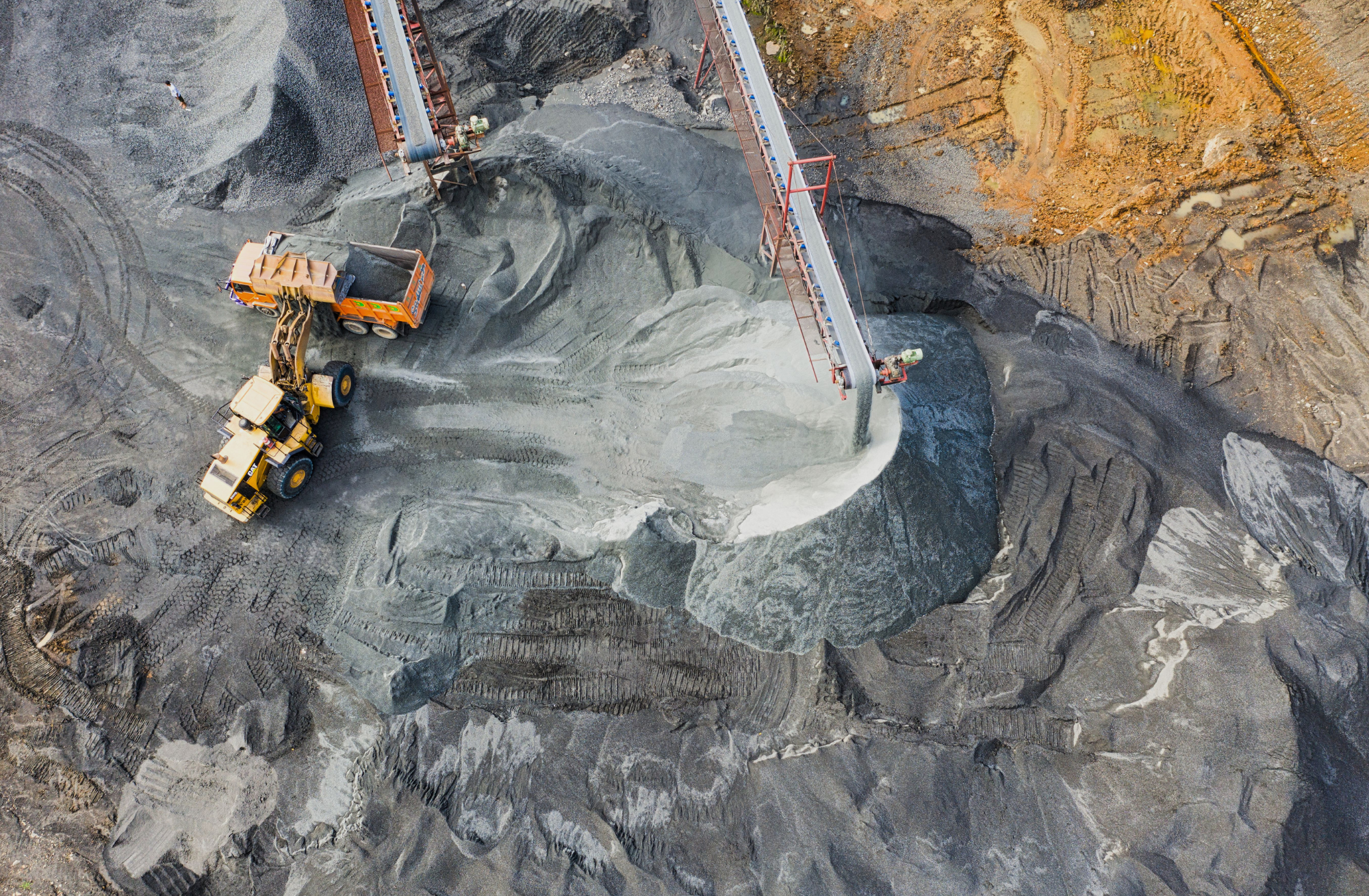
Mining and resources businesses need workforce solutions that balance productivity, compliance, and workforce sustainability.
Global People Solutions supports operators through:
- International candidate sourcing.
- Trade and technical recruitment.
- Workforce planning assistance.
- Skills verification processes.
- Recruitment coordination.
- Collaboration with licensed migration professionals.
- Ethical recruitment practices.
Our compliance-first approach helps mining and resources employers build reliable workforce pipelines while reducing the risks associated with uncontrolled labour shortages.
To stabilise equipment maintenance and keep site production on schedule, operators are implementing structured global placement channels. Discover how our specialised Mining and Resources Recruitment solutions secure trade-qualified personnel for remote sites.
Build a Stronger Mining Workforce for the Future
The ongoing Mining workforce shortage in Australia continues to affect production targets, operational reliability, and workforce costs across the resources sector. Businesses that proactively invest in workforce planning and international recruitment strategies are often better positioned to maintain output, improve workforce stability, and support future growth.
Book an international workforce consultation with Global People Solutions today and discover how global talent can help secure your skilled workforce pipeline for the years ahead.
Do not let unfilled trade vacancies compromise your site’s production targets or increase machinery downtime. Request a tailored international workforce assessment and get in touch with our team today.
Frequently Asked Questions (FAQ)
How can operators resolve the mining workforce shortage in Australia?
Many organisations combine local recruitment, retention initiatives, training programs, and international sourcing strategies. Structured international recruitment can provide access to skilled workers where domestic labour supply remains insufficient.
What are the primary mining skills shortage solutions in Australia for heavy trades?
Common solutions include international recruitment, employer sponsorship programs, workforce development initiatives, apprenticeship programs, and strategic workforce planning.
How does the resources sector skilled migration benefit regional operations?
Resources sector skilled migration can help regional operators access broader talent pools, improve workforce continuity, and reduce prolonged vacancy periods in hard-to-fill occupations.
What is required for compliant mining visa sponsorship in Australia?
Employers must satisfy sponsorship obligations, maintain compliant employment practices, meet applicable salary requirements, and comply with workplace legislation.
How long does it take to place an international worker on an Australian mine site?
Timeframes vary depending on recruitment requirements, candidate availability, sponsorship approvals, skills assessments, and government processing periods.
Which mining roles are most commonly filled through international recruitment?
Common positions include heavy diesel mechanics, mechanical fitters, boilermakers, electrical trades personnel, maintenance technicians, and other specialised operational roles.
Can regional mining operations access additional sponsorship pathways?
Some regional programs may provide additional opportunities depending on business location and workforce needs. Employers should seek advice from licensed migration professionals regarding available options.